

Read this first. If you have severe chest pain, chest pressure, pain spreading to your arm, jaw or back, severe shortness of breath, or you think you may be having a heart attack, call 9-1-1 now. Do not drive yourself and do not go to urgent care. Time is the only thing that matters in a cardiac emergency.
With that established: yes, Maxem Health has EKG on site, and there are situations where it is genuinely the right place to have one.
What an EKG does
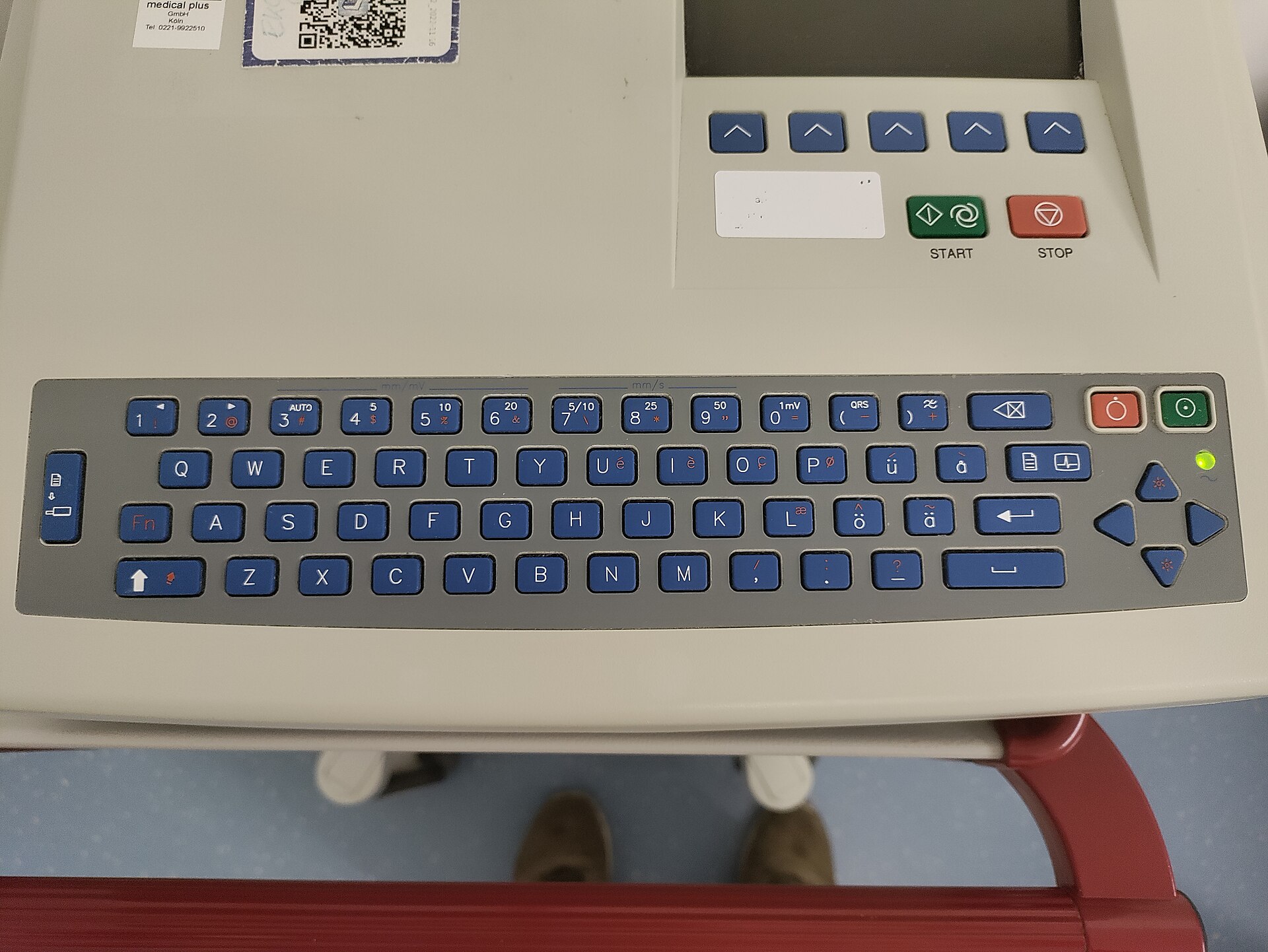
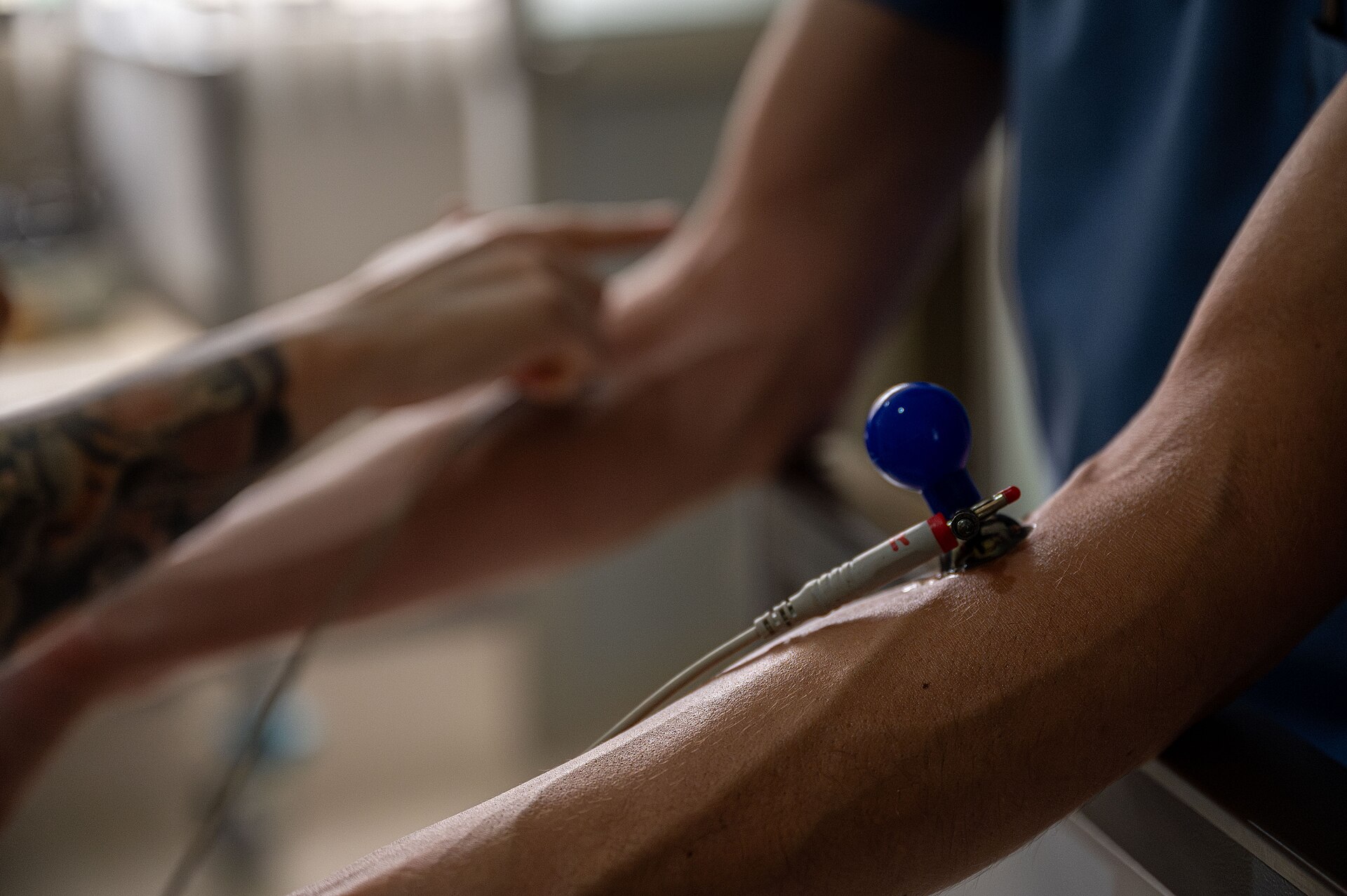
An electrocardiogram records the electrical signals that make your heart beat. Electrodes are placed on your chest, and the signals appear as waves on a monitor or printout. It takes a few minutes and is painless.
Maxem Health lists EKG among its on-site diagnostic services, alongside X-ray, urinalysis, pregnancy testing and rapid lab work.
What it can and cannot tell you
An EKG can show: abnormal heart rhythms, evidence of a heart attack happening now or one that happened previously, signs of strain on the heart muscle, and some effects of electrolyte problems or medications.
An EKG cannot rule out heart disease. This is the critical limitation. A normal EKG does not mean your arteries are clear, and it does not by itself exclude a heart attack in progress. Emergency departments combine EKG with blood tests for cardiac enzymes, repeated over hours, precisely because a single EKG is not enough.
Which is why an urgent care EKG is useful for evaluation and monitoring, and is not a substitute for emergency care when symptoms suggest a cardiac event.
When to skip urgent care and go to the ER
Urgent care is for problems that are not life threatening. Go to the emergency room or call 9-1-1 if you have any of the following:
- Severe chest pain
- Severe shortness of breath or difficulty breathing
- Suspected poisoning
- Severe abdominal pain
- Uncontrolled bleeding
- Confusion or change in mental status
- Sudden fainting, dizziness, numbness or weakness
- Coughing or vomiting up blood
- Injury to head or neck
- Extreme high fever
If you are experiencing any of these, call 9-1-1 immediately. Do not drive yourself.
When urgent care is reasonable
An EKG at urgent care makes sense for situations that are not emergencies:
- Occasional palpitations or a fluttering sensation, with no other symptoms
- As part of a wellness, company or pre-employment examination where one is required
- Baseline monitoring requested by your own doctor
- Evaluating chest discomfort clearly linked to something else, such as a muscular strain after lifting or a respiratory infection, where a provider wants to check the heart is not involved
If any doubt exists about whether symptoms are cardiac, the answer is the emergency room. Urgent care providers make that call too, and being sent on is the system working.
What the visit looks like
A provider takes your history and examines you. If an EKG will change what happens next, electrodes are placed on your chest and the recording takes a few minutes. The trace is reviewed during the visit.
Tell the provider about any family history of heart disease, any medication you take, and exactly what you were doing when the symptoms started. That context does more diagnostic work than the trace alone.
Cost
Maxem Health accepts most major insurance plans. For self-pay patients, in-clinic services fall under the Discount Program‘s flat per-visit co-pay, $60 per visit for an individual after a $175 setup fee covering the first visit.
Frequently asked questions
Can urgent care do an EKG?
Yes. Maxem Health lists EKG among its on-site diagnostic services, so the recording and review happen during the same visit.
Should I go to urgent care or the ER for chest pain?
The emergency room, or call 9-1-1. Severe chest pain appears on Maxem’s own list of symptoms requiring emergency care. Urgent care is not the place to find out whether chest pain is cardiac.
Does a normal EKG mean my heart is fine?
No. A normal EKG does not rule out heart disease or an evolving heart attack. Emergency departments repeat EKGs and add cardiac blood tests for that reason.
How long does an EKG take?
The recording itself takes a few minutes and is painless. It is reviewed during the same visit at Maxem Health.
Walk in at a Maxem Health clinic
Maxem Health Urgent Care has 15 clinics across Mississippi, Louisiana and Oregon, open seven days a week including holidays. Most clinics run Monday to Saturday 8am to 8pm and Sunday 9am to 6pm, though hours vary by location. No appointment needed. Walk in, or save your spot online before you leave the house.
Save your spot at your nearest Maxem Health clinic, or find clinic addresses and hours.
This article is general health information, not medical advice. It does not replace an evaluation by a licensed provider. If you are worried about your symptoms, get seen.